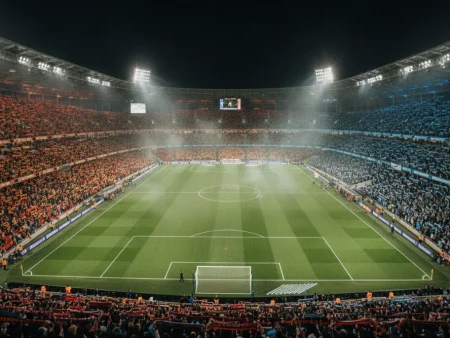

After two decades away from Europe’s biggest stage, Arsenal has secured a spot in the Champions League final with a commanding performance against Atlético Madrid. The Gunners’ 1-0 victory at the Emirates Stadium on Tuesday night, combined with their first-leg result, delivered a 2-1 aggregate triumph that sends them to Budapest on May 30. There, they will face either Paris Saint-Germain or Bayern Munich in what promises to be a exciting contest for continental supremacy.
The match was decided by a clinical finish from Bukayo Saka in the 45th minute, following intelligent build-up play involving Viktor Gyökeres and Leandro Trossard. This victory represents far more than just a progression to the final—it showcases a team that has evolved tactically, defended with historic resilience, and maintained the composure needed to navigate one of the competition’s toughest opponents.
The Decisive Moment: Saka’s Clinical Finish
Bukayo Saka’s tap-in will be remembered as the goal that ended Arsenal’s two-decade drought in European football’s premier competition. What makes this achievement particularly significant is that Saka has now become the first Arsenal player to score in consecutive Champions League semifinals. Just days earlier, he had found the back of the net against Fulham, breaking a prolonged spell without goals that had tested both his confidence and the team’s attacking rhythm.
The goal itself wasn’t built on spectacular technique or audacious skill. Instead, it epitomized the kind of composed finishing that separates contenders from pretenders. Gyökeres drove toward the byline and delivered a low cross, Trossard adjusted his body position to get the ball onto his right foot, and when Jan Oblak parried the shot, Saka was perfectly positioned to react. This is what positioning, anticipation, and instinct look like at the highest level.
Arteta demonstrated tactical awareness by withdrawing Saka around the hour mark, protecting the player’s Achilles injury before the match’s most demanding phase. The decision proved prudent, as Arsenal needed their attacking threat fresh for the final push. Historically, only one Arsenal player has ever scored in a Champions League final—Sol Campbell in 2006—but Saka has established himself as the most credible candidate to join that exclusive club in Budapest.
Breaking Through Atlético’s Defensive Wall
For the opening 43 minutes, Diego Simeone’s tactical blueprint was working to perfection. Atlético set up in a compact defensive shape, denying Arsenal any meaningful central opportunities while conceding possession in harmless areas. The Spanish side’s counterattacking threat remained genuine, with Julián Álvarez and Giuliano Simeone creating early problems for David Raya. Arsenal, meanwhile, failed to register a single shot on target during this period.
The breakthrough came from an area where Atlético’s defensive structure showed vulnerability: the byline. Gyökeres, operating as a striker who attacks the channels rather than camping in the penalty area, drove to the end line and pulled back the cross that ultimately led to the goal. This represents the modern value of a striker willing to work in deeper, wider areas of the pitch.
Key tactical elements that unlocked Atlético’s defense included:
- Arsenal’s willingness to attack down the flanks rather than forcing central play
- Gyökeres’s movement pulling Atlético’s defense laterally and creating space
- Quick transitions that caught Atlético’s defensive line slightly advanced
- Trossard’s positioning to receive the ball in dangerous areas
- Arsenal’s patience in building attacks rather than forcing low-percentage chances
Gyökeres nearly doubled Arsenal’s advantage after the restart, side-footing over the crossbar from twelve yards while completely unmarked. The miss mattered little—Arsenal had found their breakthrough, and Atlético’s defensive resolve began to crack under sustained pressure.
Historic Defensive Solidity
The numbers behind Arsenal’s Champions League run this season have entered the realm of historical significance. The defense has been nothing short of exceptional, establishing benchmarks that rival some of the competition’s greatest defensive performances:
- Only six goals conceded across 14 Champions League matches
- Nine clean sheets in the competition, placing them among the elite defensive units in Champions League history
- Defensive statistics that match or exceed those of Real Madrid’s 2015-16 campaign and Arsenal’s own 2005-06 final-reaching team
Gabriel Magalhães and William Saliba have formed the cornerstone of this defensive excellence. Gabriel’s crucial challenge on Giuliano Simeone just six minutes into the second half exemplified the kind of intervention that decides knockout ties. Saliba’s reading of the game when Atlético attempted to play longer balls in the second period was equally vital. Even when Alexander Sørloth fluffed a presentable chance with five minutes remaining, the overall pattern remained clear: this Arsenal side possesses one of Europe’s most formidable defenses.
The test awaiting them in Budapest against either PSG or Bayern Munich will undoubtedly prove more demanding than anything Atlético produced across the two legs. However, the consistency and structure Arsenal has demonstrated throughout this European campaign suggests they will not be overwhelmed by superior attacking talent.
Simeone’s Gamble and Atlético’s Missed Opportunity
Atlético Madrid’s Champions League campaign deserves recognition for its quality, particularly their elimination of Barcelona in the earlier knockout stages. The tie remained within their grasp for extended periods, especially during the opening thirty minutes and the second-half phase when Griezmann created opportunities. However, what Simeone often calls contundencia—a Spanish term meaning decisiveness and clinical finishing—abandoned them when the moment demanded it most.
Antoine Griezmann gave everything despite what will likely be his final Champions League appearance before joining Orlando City. His work rate was immense: four tackles, eight duels, two ball recoveries across 66 minutes. He initiated the sequence that gave Álvarez his chance and created the opportunity that forced Raya into a save moments later. In the second half, with his team trailing, Griezmann’s shot was saved before he appeared to be brought down by Riccardo Calafiori—an incident Atlético felt should have resulted in a penalty but didn’t.
Simeone made a bold tactical decision by withdrawing both Griezmann and Álvarez while the tie remained contested. This move represented a coach trusting fresh legs to find the goal his most experienced players had not delivered. The gamble backfired when Sørloth failed to capitalize on his chance, turning what could have been a brave tactical adjustment into a decision that haunted the final moments.
Atlético have now reached two Champions League finals under Simeone’s leadership—in 2014 and 2016—losing both. There may not be another opportunity for him and captain Koke, both of whom remained on the pitch long after the final whistle, acknowledging the traveling support before eventually departing.
What This Achievement Means for Arteta’s Project
Some of the discourse surrounding Mikel Arteta’s contract situation has been overblown. Yes, he has twelve months remaining on his current deal. Yes, he has not won a major trophy in his six years at the club. Yes, Arsenal’s fanbase has oscillated between anxiety and belief throughout the season. Tuesday’s victory should substantially quiet these concerns.
Reaching back-to-back Champions League semifinals in the modern format is genuinely more difficult than reaching consecutive league titles. Reaching a final from this position, having systematically dismantled Atlético Madrid across two legs, represents the kind of achievement that separates clubs building something genuine from those merely competing. The implications for Budapest break down clearly:
- A victory against PSG or Bayern Munich would fundamentally alter the narrative surrounding Arteta’s tenure
- A defeat would not erase what has been constructed across two seasons of European football
- Regardless of the outcome, Arteta has accomplished something only one previous Arsenal manager in club history has achieved
The squad that lined up in unison and sprinted toward both ends of the Emirates at full time understood the magnitude of this accomplishment. So did the supporters who lined the streets to welcome the team’s return.
Looking Ahead to Budapest
Arsenal’s return to the Champions League final represents a watershed moment for the club. After twenty years away from this stage, they have earned their place through tactical discipline, defensive excellence, and clinical finishing when opportunities presented themselves. The journey through this competition has been defined not by overwhelming attacking dominance but by intelligent football, structural solidity, and the ability to adapt when facing different challenges.
The final in Budapest will test Arsenal against opponents of genuine elite caliber. Whether facing PSG’s star-studded attack or Bayern Munich’s relentless pressing, the Gunners will need to maintain the standards they have set throughout this run. However, the evidence accumulated across fourteen matches suggests they possess the tactical flexibility, defensive resources, and mental fortitude to compete at the highest level.
Arsenal’s Champions League final return after two decades is not simply about one match or one moment. It represents the culmination of a project that has rebuilt a fractured club into a genuine European contender. May 30 will determine whether this run becomes the foundation for sustained success or a remarkable achievement that falls just short of the ultimate prize.