
Formula 1 sits right at the top of motorsport, where wild technology meets human guts and skill at speeds that can blow your mind. F1 is a global championship with 20 drivers across 10 teams, all pushing single-seater cars to their limits on tracks around the world.
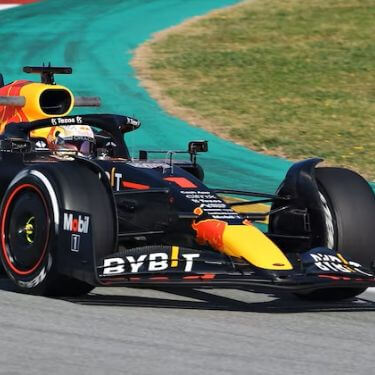
F1 Teams
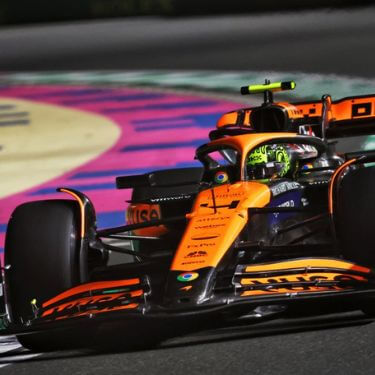
F1 drivers
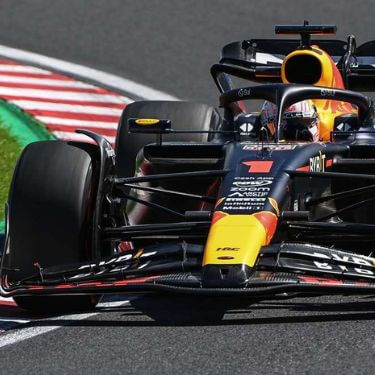
F1 Circuits
The 2025 season? It’s already shaking things up. New rules, fresh faces, and a level of competition that’s making things unpredictable in the best way.
F1 has become a worldwide phenomenon, drawing in millions who follow every qualifying lap and race weekend. The sport blends high-level engineering with clever team strategies—it’s a weirdly beautiful mix where aerodynamics, tyre choices, and those tiny split-second calls can decide who wins and who loses.
Right now, McLaren’s Oscar Piastri leads the championship with 266 points, just ahead of Lando Norris at 250. That battle is heating up.
If you get how F1 works, you start to see all the weird connections between teams, drivers, and the rules that keep this whole circus running. Legendary tracks like Monaco and Silverstone sit alongside the latest hybrid tech, and the sport keeps pushing the envelope, always trying to entertain, always looking for that next edge.
Table of Contents
F1 in 2025: key facts and evolution
The 2025 Formula One World Championship is the 76th season of this wild ride, and there’s a lot changing—drivers jumping teams, fresh technical rules, and a vibe that feels different from just a couple years ago.
Overview of formula 1
Formula 1 is the world’s top single-seater racing series. You get drivers going wheel-to-wheel in insane cars, racing all over the globe.
There are ten teams, each with two drivers. Teams design and build their own cars, but they all have to follow a strict set of technical rules.
Key elements:
- Teams: Constructors battle for both driver and team glory
- Races: Grand Prix events on custom circuits and city streets
- Points system: Winners get 25 points, and those in the top 10 score too
At the end of the year, there’s a drivers’ champion and a constructors’ champion. Teams pour hundreds of millions into their cars chasing that edge.
Notable changes in the 2025 season
The 2025 F1 season is wild—Lewis Hamilton joins Ferrari, and that’s just the start. The driver market’s gone a bit mad this year.
Major driver changes:
- Lewis Hamilton heads to Ferrari
- Five rookies join the grid
- Plenty of teams shake up their line-ups
This year, there’s a 24-race calendar and new technical rules that’ll probably mix up the pecking order. Everyone’s scrambling for performance and hoping the new rules work in their favor.
These regulations force teams to rethink everything. The balance of power might shift as drivers and engineers try to figure out what works.
F1’s historical development
Formula 1 has changed a ton since it kicked off in 1950. You can see how F1 evolved from 1950 to 2025—from basic cars and minimal safety to the tech-heavy, global circus it is now.
Historical milestones:
- 1950s: The championship starts, safety isn’t much of a thing
- 1960s-70s: Aerodynamics and sponsorships arrive
- 1980s-90s: Electronics and TV coverage go global
- 2000s: Safety gets serious, hybrids start to appear
- 2010s-2020s: Sustainability and budget caps come in
The rules keep changing to make things safer and more competitive. Modern F1 cars are nothing like the old ones—they’re basically spaceships compared to the rickety machines from the 1950s.
Teams, drivers and management
The 2025 season has teams shuffling their lineups and leadership. Hamilton’s move to Ferrari is probably the biggest headline, but a bunch of teams are bringing in new faces and fresh management too.
Leading f1 teams and constructors
The 2025 grid has ten well-known teams all gunning for the title. Red Bull Racing is still a powerhouse, with Max Verstappen leading and Yuki Tsunoda stepping up in their new pairing.
McLaren is on a roll with Oscar Piastri and Lando Norris. Both impressed in 2024, and now McLaren actually looks like a real threat for the championship.
Ferrari made waves by signing Lewis Hamilton to race alongside Charles Leclerc. That’s a crazy amount of experience and talent in one team.
Mercedes is in a bit of a reset. George Russell now leads the team, joined by young Kimi Antonelli. They’ve got to figure out life after Hamilton while helping Antonelli settle in.
Elsewhere, Alexander Albon and Carlos Sainz pair up at Williams, and Fernando Alonso sticks with Lance Stroll at Aston Martin. Racing Bulls puts Liam Lawson with Isack Hadjar for 2025.
Top drivers to watch
Max Verstappen is still the guy to beat. He’s set the bar for consistency and raw speed at Red Bull.
Lewis Hamilton at Ferrari is a big story. The seven-time champ brings a mountain of experience, and you get the sense he’s desperate to add one more title.
Lando Norris has become McLaren’s main man. His race smarts and qualifying pace keep putting him in the mix for wins and podiums.
Oscar Piastri is part of the new wave. The Australian adapted fast and isn’t afraid to go toe-to-toe with the big names.
Charles Leclerc has plenty to prove with Hamilton as a teammate. He’s still got that speed, and his home advantage at Monaco could come in handy for Ferrari.
Kimi Antonelli gets his big break at Mercedes. He’s got a lot to live up to, stepping into one of F1’s most iconic seats.
Team principals and leadership dynamics
Team principals keep everything together—managing drivers, making big calls, and pushing the tech side without losing their minds.
Red Bull’s leadership keeps building around Verstappen, while also bringing Tsunoda deeper into the team. They’re not afraid to mix things up.
McLaren’s bosses are all about maximizing their shot at the title. They want to give both Piastri and Norris the car to get it done.
Ferrari’s management has a tough job, balancing two top drivers. They’ll need to keep everyone happy and focused if they want to win.
Mercedes has to guide Antonelli through his rookie year and keep Russell competitive. That’s a juggling act if I’ve ever seen one.
Driver transfers and 2025 grid changes
The biggest move? Hamilton jumps to Ferrari from Mercedes. That changes everything for both teams and the whole championship, honestly.
Kimi Antonelli fills Hamilton’s spot at Mercedes. That’s a lot of pressure for a rookie.
Carlos Sainz heads to Williams after Ferrari picked up Hamilton. Williams gets a proven race winner and someone who knows how to develop a car.
More new faces are joining the party. Gabriel Bortoleto joins Kick Sauber, and Franco Colapinto takes a seat at Alpine.
These moves shake up the grid. Teams have to figure out new pairings and keep their development on track while the championship battle rages on.
Major races and circuits
Some F1 tracks just have a vibe you can’t fake. Spa-Francorchamps is a classic, the kind of place every driver wants to win. The 2025 calendar has twenty-four races, each with its own weird quirks and challenges.
Belgian Grand Prix at Spa-Francorchamps
The Belgian Grand Prix is legendary. Spa-Francorchamps sits deep in the Ardennes, and its 7km layout pushes drivers to the edge.
That Eau Rouge and Raidillon combo? It’s iconic. Cars blast uphill, flicking left and right at over 300 km/h. It’s a real test.
The weather at Spa is famously unpredictable. Rain can hit one part of the track while the other stays dry—it gets chaotic fast.
For 2025, Spa’s still a fan favorite. Its mix of high-speed straights, tricky corners, and wild elevation changes always delivers drama.
Significant races on the 2025 calendar
The 2025 F1 calendar has twenty-four races, and there are some changes. The season kicks off in Australia instead of Bahrain, which feels kind of refreshing, honestly.
Monaco is still the king of street circuits. Drivers have to thread the needle through those tight corners—one slip and it’s game over.
Silverstone brings the British Grand Prix and a crowd that’s always buzzing. The fast corners reward gutsy drivers who don’t lift.
Monza’s all about speed. The Italian Grand Prix is the place for flat-out racing, and the “Temple of Speed” nickname is spot on.
Circuit profiles and race conditions
Every F1 track asks something different from the cars and drivers. Monaco and Singapore are all about precision—get too close to the wall, and you’re done.
Permanent tracks like Silverstone and Spa offer more grip and space. They give drivers a chance to pass, especially through those fast, flowing corners.
Weather can turn a race upside down. Wet-weather experts tend to shine at places like Spa and Silverstone, where rain always seems to show up when you least expect it.
Then there’s altitude. Mexico City sits high, so engines lose power and the cars don’t stick to the road quite like they do elsewhere. That forces teams to rethink their strategies.
Current news and future outlook
McLaren heads into 2025 as the defending constructors’ champs, looking strong after testing. Six rookies, including Andrea Kimi Antonelli at Mercedes, join the grid. Hamilton’s switch to Ferrari is the headline, but there’s a sense that anything could happen this season.
Latest developments in F1
McLaren’s championship defence
McLaren heads into 2025 as defending constructors’ champions for the first time since 1999. Lando Norris and Oscar Piastri brought the papaya squad their first title since 1998.
Testing in Bahrain made it clear—McLaren hasn’t lost their edge. The team tweaked their 2025 car’s front suspension, dropping the upper wishbone rear leg inboard pickup point, which should boost anti-dive.
Technical regulation changes
2025 is the last dance for the current technical rules before the big engine and chassis shake-up in 2026. Teams have to juggle resources between this year and prepping for what’s next.
Front wing flex rules shift at the Spanish Grand Prix. Teams will scramble to adapt their aero setups, and honestly, that could mix things up in ways nobody expects.
Grid composition
Six rookies step up for full-time seats in 2025: Liam Lawson at Red Bull, Oliver Bearman at Haas, Andrea Kimi Antonelli at Mercedes, Isack Hadjar at Racing Bulls, Jack Doohan at Alpine, and Gabriel Bortoleto at Sauber.
Emerging talent and storylines
Rookie spotlight
Andrea Kimi Antonelli takes over at Mercedes, filling some pretty big shoes. At just 18, he impressed in Bahrain testing, keeping up with Charles Leclerc’s race pace and looking at home in the W16.
Jack Doohan’s spot at Alpine feels shaky. With Franco Colapinto signed as reserve, people are already wondering when—not if—Alpine will swap Doohan out this season.
Championship contenders
Lando Norris starts as the title favorite after nearly clinching it in 2024. His qualifying record over Piastri (20-4) and better race stats (16-8) put him firmly in charge at McLaren.
Max Verstappen is chasing a fifth title in a row, aiming to match Michael Schumacher’s streak. Red Bull looked a bit off in testing, though, and that might finally break their run at the top.
Surprise packages
Carlos Sainz made the move to Williams and brings real experience to Grove. Pierre Gasly could shake things up too, with Alpine looking better after some eye-catching test laps.
The season kicks off at the Australian Grand Prix on March 16th in Melbourne. Let’s see who turns up with something unexpected.
Frequently Asked Questions
Formula 1 has a maze of rules covering everything from points to car specs. There are detailed technical regulations, safety standards, and specific career tracks for drivers and engineers.
How does the points system work in Formula 1 racing?
The current F1 scoring system gives points to the top ten finishers in each Grand Prix. The winner gets 25 points, second place takes 18, and third gets 15.
Fourth through tenth pick up 12, 10, 8, 6, 4, 2, and 1 point. Sprint races at select events offer extra points, just to make things interesting.
The driver with the most points at season’s end wins the World Drivers’ Championship. Teams add up both drivers’ points to fight for the Constructors’ trophy.
If drivers tie on points, whoever has more wins takes the title. If that’s tied, they count second places, then third places, and so on. It can get pretty tense.
What are the technical regulations for F1 cars?
F1 cars have to meet strict rules on size, weight, and aerodynamics. For 2025, the car and driver together must weigh at least 798 kilograms.
Engines are 1.6-litre V6 turbo-hybrids with energy recovery systems. There are limits on fuel flow and only approved fuels are allowed.
Aero parts like wings, floors, and bodywork must fit within tight FIA measurements. No sneaky tweaks allowed—inspectors check everything.
Safety cells, crash structures, and roll hoops all follow mandatory specs. Teams can’t mess with these critical safety features beyond what’s signed off.
How are F1 teams, drivers and constructors ranked in the championships?
The Drivers’ Championship ranks drivers by their total points for the season. Each driver’s points are their own, no matter how their teammate performs.
The Constructors’ Championship adds up both drivers’ points for each team. This decides prize money and even shapes future rule talks.
Both titles run side by side all year. The drivers’ champ doesn’t have to come from the top team, as seen in 2024 when Max Verstappen won the drivers’ crown and McLaren took the constructors’ title.
Points reset to zero every new season. Last year’s numbers don’t carry over—everyone starts fresh.
What safety measures are implemented in F1?
The halo device shields drivers’ heads from debris and impacts. This titanium ring became mandatory in 2018 after a lot of debate and testing.
Cars have carbon fibre survival cells built to take huge hits. Every cockpit goes through brutal crash tests before it’s allowed on track.
Circuits use barriers made from energy-absorbing stuff like SAFER barriers and stacks of tyres. Run-off zones give drivers a little more room to slow down after going off.
Fire suppression kicks in automatically if there’s a fuel or electrical fire. Drivers wear flameproof suits, helmets, and HANS devices to protect their necks and heads.
Medical helicopters and fully equipped centers are on standby at every race. Doctors can reach any crash site in minutes, which is honestly reassuring.
How can one become an F1 driver?
Most drivers start karting as kids, usually between 8 and 12. If they’re fast, they move up to single-seaters like Formula 4 and Formula 3.
The usual route is through Formula 2, the main feeder for F1. Winning in F2 often gets teams’ attention—everyone’s looking for the next big thing.
F1 teams run driver academies to spot and support young talent. These programs help with funding and training, giving future stars a real shot.
You need a Super Licence to race in F1. That means earning 40 points in three years from approved series, plus meeting age and experience rules.
Physical and mental fitness are huge. Drivers train with personal trainers and work with sports psychologists to handle the unique pressure of F1.
What is the typical career path for F1 engineers?
Most F1 engineers have degrees in mechanical, aerospace, or automotive engineering. Some folks dive deeper into areas like aerodynamics, electronics, or materials science.
Graduate training programs at F1 teams give university leavers a way in. These programs mix hands-on work with some structured learning across different departments.
Plenty of engineers start out in other motorsport categories. Formula 2, Formula 3, and endurance racing all offer solid experience in race engineering and data analysis.
Engineers usually start in junior roles and work their way up. Some end up as chief engineers or technical directors, while others stick to trackside operations or focus on development back at the factory.
Tech changes fast, so engineers really have to keep learning. They go to training courses, hit up conferences, and work with suppliers to stay up to date with whatever’s new.